The Art of Fresh Pasta: Elevate Your Culinary Experience
11/29/20255 min read
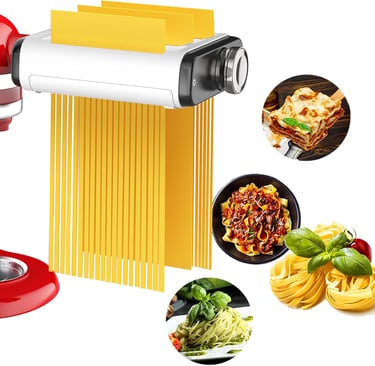
What is Fresh Pasta?
Fresh pasta, a popular culinary creation, refers to pasta that is made from scratch using minimal ingredients, primarily flour and eggs. Unlike dried pasta, which is typically produced in large quantities and has a longer shelf life, fresh pasta is often characterized by its delicate texture and unique flavor. This distinction is crucial as it contributes significantly to the overall experience of the dish it accompanies.
The ingredients that make up fresh pasta are simple yet fundamental. High-quality flour, often semolina or all-purpose flour, is combined with eggs to create a pliable dough. Some recipes may include water or additional flavorings, like herbs or spices, to enhance the pasta's character. The resulting dough is rolled out and shaped into various forms, such as fettuccine, ravioli, or lasagna sheets, providing versatility in culinary applications.
One of the most notable characteristics of fresh pasta is its cooking time. Due to its moisture content, it cooks more quickly than its dried counterpart, usually taking only a few minutes to become al dente. The outcome is a tender, flavorful product that elevates a dish significantly, allowing for more intricate flavor pairings and sauce combinations.
Culturally, fresh pasta holds immense significance in various cuisines around the world, particularly in Italian cooking. It serves as a staple ingredient in many beloved dishes and symbolizes the art of culinary craftsmanship. Chefs and home cooks alike appreciate the ability to personalize fresh pasta, transforming it into a signature dish that reflects individual taste and creativity. Overall, the commitment to creating fresh pasta exemplifies not only a dedication to quality ingredients but also an appreciation for culinary traditions that span generations.
Why Choose Fresh Pasta Over Dried Pasta?
Fresh pasta offers multiple advantages over its dried counterpart, making it a preferred choice for culinary enthusiasts. One of the most significant benefits of fresh pasta is its ability to absorb sauces more effectively. The texture of fresh pasta allows it to cling to various sauces, enhancing the overall flavor profile of any dish. Whether it's a rich marinara, a light olive oil, or a creamy Alfredo, fresh pasta acts as a canvas, allowing the sauce's flavors to penetrate and meld, creating a harmonious dining experience.
Additionally, fresh pasta cooks significantly faster than dried pasta. Generally, fresh pasta only requires a cooking time of just a few minutes, which can be a game-changer for those preparing gourmet dinners during busy weeknights. This expedited cooking process does not compromise the dish's quality, allowing culinary enthusiasts to serve a sophisticated meal without the drawn-out preparation typically associated with traditional pasta dishes.
From a nutritional standpoint, fresh pasta also holds a distinct advantage. It is typically made from simple ingredients, such as flour and eggs, without the preservatives often found in commercially produced dried pasta. As a result, fresh pasta allows for a more wholesome dining option, appealing to health-conscious individuals. The simplicity of its ingredients means that it can be made at home, offering the satisfaction of crafting a dish from scratch without artificial additives.
Incorporating fresh pasta into your meals not only elevates flavor but also promotes a more wholesome culinary experience. By opting for fresh pasta over dried options, one embraces a quicker cooking process, enhanced flavor absorption, and a healthier ingredient profile. Thus, it becomes evident that fresh pasta is a superior choice for those looking to enrich their culinary repertoire.
How to Make Fresh Pasta at Home
Creating fresh pasta at home can be a rewarding experience, allowing you to tailor the flavors and textures to your liking. To start, you will need a few essential ingredients: all-purpose flour, eggs, and salt. For every 100 grams of flour, one large egg is recommended, along with a pinch of salt to enhance flavor. Optionally, semolina flour can be incorporated for added texture. You will also require some basic tools: a clean work surface, a rolling pin or pasta machine, and a sharp knife or pasta cutter.
Begin by forming a mound of flour on your work surface, creating a well in the center. Crack the eggs into the well and add the salt. Using a fork, slowly incorporate the flour from the edges of the well into the eggs, mixing until a shaggy dough forms. Once all the flour is combined, knead the dough for about 8-10 minutes until it becomes smooth and elastic. If the dough feels sticky, you can dust it with a little extra flour.
Next, wrap the dough in plastic wrap and let it rest for at least 30 minutes at room temperature. This resting period is crucial as it allows the gluten to relax, making it easier to roll out later. Once rested, divide the dough into manageable portions, and flatten each piece slightly before rolling it out. If using a pasta machine, gradually feed the dough through, starting at the widest setting and progressively thinning it out.
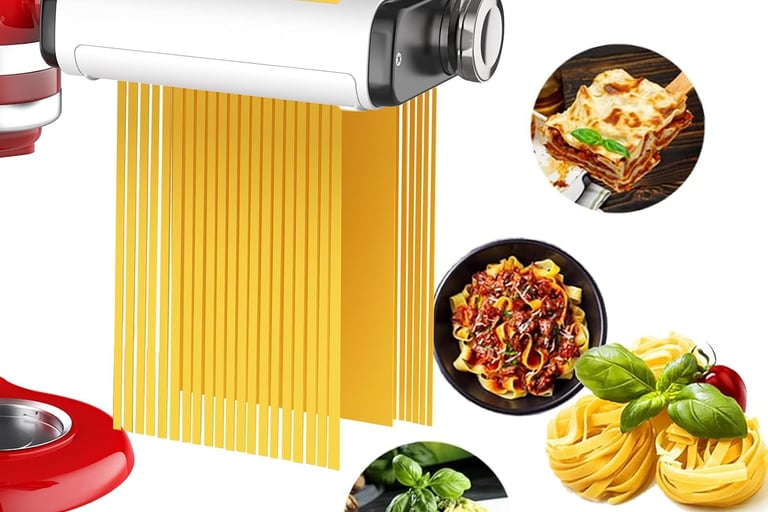
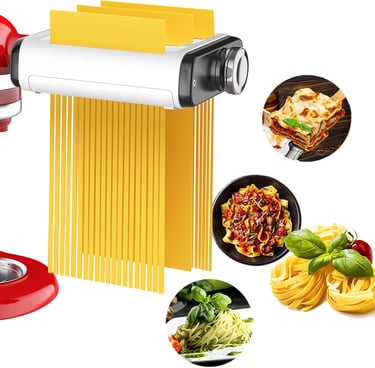
After achieving your desired thickness, cut the pasta into your preferred shapes—fettuccine, tagliatelle, or even sheets for lasagna. To prevent sticking, dust the cut pasta with flour. It is vital to avoid common mistakes, such as skipping the resting phase or using too much flour during rolling, as this can lead to an undesirably dry texture.
With these steps, you are well on your way to mastering homemade fresh pasta that will elevate your culinary experience.
Delicious Pairings: Best Sauces and Dishes for Fresh Pasta
When it comes to fresh pasta, the right sauce can elevate the dish from ordinary to extraordinary. Fresh pasta is characterized by its delicate texture and ability to absorb flavors, making it an ideal canvas for a variety of sauces. Classic pairings typically include cream-based sauces, tomato-based options, and oil-based dressings. Each sauce type brings out the unique qualities of the pasta while enhancing the overall culinary experience.
Cream-based sauces, such as Alfredo or Carbonara, offer a rich and velvety consistency that coats the fresh pasta beautifully. The smoothness of these sauces complements the tender noodles, creating a luxurious mouthfeel. To create an innovative twist, consider incorporating ingredients like truffles or roasted garlic into the cream sauce, enhancing its depth of flavor and aroma.
On the other hand, tomato-based sauces, such as marinara or arrabbiata, provide a bright and tangy contrast to the softness of fresh pasta. The acidity from tomatoes balances the dish, while the addition of fresh herbs like basil or oregano adds an aromatic freshness. A sprinkle of Parmesan cheese as a finishing touch can further elevate this pairing.
For a lighter option, oil-based sauces, like pesto or aglio e olio, allow the natural flavors of the fresh pasta to shine. Pesto, made from fresh basil, pine nuts, and Parmesan, not only enhances the dish with its vibrant color but also offers a refreshing taste. Alternatively, aglio e olio, made from garlic sautéed in olive oil, provides simplicity and sophistication, perfect for highlighting the unique qualities of freshly made pasta.
To inspire your culinary endeavors, consider creating full meals that utilize fresh pasta. For instance, a dish featuring fresh fettuccine with a creamy mushroom sauce paired with a simple side salad can create a delightful dining experience. Alternatively, fresh ravioli stuffed with ricotta and spinach served with a homemade marinara sauce presents a wonderful combination for an elegant dinner. By exploring these various sauces and dishes, you can creatively incorporate fresh pasta into your culinary repertoire, transforming ordinary meals into exceptional dining experiences.