The Importance of Family Mealtime: Building Bonds and Cherishing Moments
12/6/20257 min read
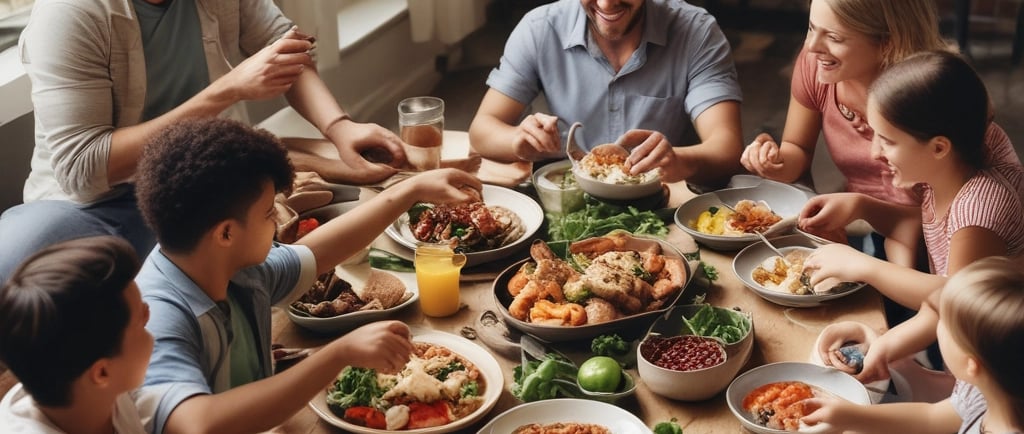
Strengthening Family Bonds Through Shared Meals
Family mealtime serves as a vital opportunity for loved ones to congregate and engage in meaningful interactions. In our fast-paced society, sitting down together for a meal can often be overlooked, yet it is during these moments that family relationships are primarily strengthened. The act of sharing food inherently creates an environment conducive to conversation, whether it be through sharing daily experiences, discussing challenges, or celebrating achievements. This practice fosters an atmosphere of openness where members feel valued and heard.
Moreover, family meals promote a sense of unity within the household. They provide a structured time for the family to connect without external distractions, which can be pivotal in nurturing interpersonal relationships. The shared experience of a meal encourages collaboration, whether in the preparation or the enjoyment of the food, teaching family members the importance of teamwork and community. Additionally, these gatherings allow for the transmission of family traditions and cultural values, conveying narratives and wisdom from one generation to the next.
Psychologically, the interaction that occurs during family meals can significantly influence emotional bonds. Laughter, support, and even friendly debates contribute to building a resilient family structure. The shared enjoyment of a meal has the power to create lasting memories, which are intrinsic to family identity. These moments often become treasured recollections for participants, reinforcing the importance of being together. In essence, shared meals extend beyond mere nutrition; they embody a crucial aspect of family life and connection, serving as a platform for deepening relationships and promoting a sense of belonging among members.
Enhancing Communication in the Family
Family meals serve as a unique platform for enhancing communication among family members. In a world filled with distractions, these gatherings provide an invaluable opportunity for individuals to engage with one another, fostering open dialogue that might not occur in day-to-day life. Sharing a meal allows family members to relax and converse in a setting that is often free from the pressures of work, school, and technology. This conducive atmosphere encourages everyone to share their thoughts, experiences, and daily highlights, thus cultivating meaningful conversations.
During these mealtime interactions, it is essential that active listening takes place. Family members should practice not only sharing their own stories but also paying close attention to the experiences of others. Engaging actively in conversations—by making eye contact, acknowledging feelings, and responding thoughtfully—results in deeper emotional connections among family members. Such connections, developed through communication during meals, can lead to increased trust and understanding, ultimately strengthening familial bonds.
In conclusion, the significance of family mealtime extends far beyond mere nutrition; it plays a pivotal role in enhancing communication within the family. By prioritizing these gatherings, families can nurture relationships, allowing for the exchange of ideas and emotions, thereby creating a more cohesive and supportive environment for all members.
Instilling Healthy Eating Habits
Family mealtime serves as a vital platform for instilling healthy eating habits, particularly in children. When families gather to share a meal, the dining table becomes a space for open conversation about nutrition and wellness. Research indicates that children who regularly partake in family meals are more likely to exhibit healthier food choices and maintain a balanced diet. This correlation arises not only from the types of food prepared but also from the discussions that inspire healthier habits.
During these mealtime gatherings, families typically prioritize nutritious dishes, often incorporating whole foods, fruits, and vegetables into their meals. By preparing meals together or choosing healthier recipes, families can model positive eating habits that children can adopt. Exposure to a variety of foods during these family meals is crucial. Children who taste and enjoy different fruits and vegetables at the table are more likely to incorporate them into their own diets, fostering an appreciation for wholesome foods.
Moreover, family mealtime provides an invaluable opportunity to educate children about healthy eating in a relaxed setting. Conversations around meal preparation can introduce topics such as portion control, the benefits of certain foods, and the importance of a balanced diet. When families take time to discuss their choices and experiences related to nutrition, children develop a critical understanding of healthy eating. This process not only cultivates their nutritional knowledge but also encourages them to make informed choices in the future.
Incorporating regular family meals promotes a sense of routine and stability that can influence children's recollections of food. The memories formed during these shared experiences often lead to a lifetime of healthy eating patterns. Thus, prioritizing family mealtime is an effective strategy to encourage healthier eating habits that will benefit individuals throughout their lives.
Creating a Routine: The Importance of Consistency
Establishing a regular family mealtime routine is critical in promoting a sense of stability and unity within the family unit. Consistent mealtimes create an environment where family members know they have dedicated moments to come together, fostering connections and enhancing relationships. There is considerable value in knowing that every day at a specific time, the family will gather to share a meal. This predictability can be particularly comforting for children, as it provides them with a structured framework that enhances their feelings of security and belonging.
Moreover, a routine not only promotes attendance but also encourages active engagement in family discussions. When family members are aware of when they will be eating together, they are more inclined to prioritize these gatherings in their schedules. This sense of commitment can lead to improved participation from all members, allowing more open and meaningful conversations that strengthen bonds. It is not merely about sharing food but creating an atmosphere where family stories, achievements, and challenges can be discussed in a supportive setting.
Beyond the relational benefits, consistent family mealtime routines can also contribute to healthier eating habits. Everyone can benefit from the opportunity to plan, prepare, and enjoy meals together, as this promotes mindful eating and appreciation for home-cooked dishes. As such, the routine becomes instrumental in teaching children important values surrounding nutrition and togetherness. Over time, these regular meals can enhance the overall family dynamic, leading to more resilient relationships characterized by openness and trust. In conclusion, consistent family mealtime routines serve as vital building blocks for nurturing familial ties and ensuring a sense of togetherness amidst the busy lives of family members.
Celebrating Traditions and Cultural Heritage
Family meals serve as vital moments in which individuals can come together to honor their unique traditions and cultural heritage. The act of sharing specific meals creates a platform for storytelling, where recipes, customs, and familial narratives are passed down through generations. This exchange not only preserves culinary traditions but also strengthens family bonds by reinforcing a shared identity and a sense of belonging.
Each culture possesses distinct culinary practices that often reflect historical, geographical, and social influences. For example, traditional dishes prepared during family gatherings can evoke memories of past celebrations and serve as a reminder of one's roots. When a family member prepares a recipe that has been handed down through the years, they contribute to a living history that connects the present with the past. This culinary experience allows younger generations to gain insight into their ancestry and fosters an appreciation for their cultural heritage.
Moreover, celebrating cultural heritage through family meals helps emphasize the importance of rituals and values intrinsic to a family or community. Whether it's a holiday feast that brings loved ones together or a weekly dinner featuring culturally significant foods, these occasions offer a sense of stability and continuity in an ever-changing world. They promote unity among family members, reinforcing shared values and beliefs that may otherwise be overlooked in daily life.
Furthermore, such gatherings empower families to embrace diversity, as they can introduce elements from various cultures through fusion foods or multicultural celebrations. This not only enriches the culinary experience but also cultivates an environment of openness and respect for different traditions. Celebrating traditions and cultural heritage during family meals ultimately strengthens familial relationships while instilling a deep appreciation for one's culture.
Impact on Mental Health and Well-Being
Family mealtime plays a critical role in fostering mental health and overall well-being among its members. Engaging in regular communal meals can significantly mitigate feelings of isolation that individuals may experience. Research indicates that shared dining experiences create a supportive environment where family members can connect, communicate, and offer emotional support. This setting serves as a sanctuary, especially for those dealing with stress or anxiety, allowing them to share their thoughts and feelings in a nurturing space.
Moreover, the act of gathering around the table promotes a sense of belonging. When family members participate in mealtime rituals, it reinforces their connections and strengthens interpersonal relationships. Studies have shown that families who frequently share meals experience improved emotional health, as they are more likely to communicate openly and develop strong bonds. This open communication fosters an atmosphere of trust, which can be essential for adolescents navigating the complexities of growing up.
In conclusion, the importance of family mealtime cannot be overstated. By prioritizing shared meals, families create a foundation for emotional well-being and resilience. The positive effects on mental health, enhanced communication, and the nurturing environment established during these moments collectively contribute to enriching the emotional lives of all family members involved.
Fun Activities to Incorporate During Family Meals
Family mealtime presents a unique opportunity to strengthen relationships and foster communication among family members. Incorporating fun activities during these gatherings can enhance the dining experience, making it not only enjoyable but also memorable. One effective way to engage everyone is through conversation starters. These prompts can range from lighthearted questions, such as “If you could have dinner with any historical figure, who would it be?” to deeper inquiries like “What is one thing you learned this week that surprised you?” These questions stimulate dialogue, encourage sharing of experiences, and allow family members to learn more about each other.
In addition to conversation starters, consider including games that can be played at the table. Simple trivia games or word association have a minimal impact on meal prep and can generate lots of laughter and camaraderie. Families can also try card games designed for mealtime, which typically involve fun themes and have rules that encourage interaction. These activities serve as great icebreakers and create an ongoing atmosphere of playfulness and connection.
Themed dinners are another engaging option that can encourage participation and excitement. For example, families might choose a cuisine from a specific country and have everyone contribute by preparing a dish or sharing a related story. Alternatively, a favorite family movie night can be complemented with dishes inspired by the film, thus linking culinary experiences with shared interests.
Such activities not only make mealtime lively but also emphasize the importance of connection and communication within the family unit. By putting these suggestions into practice, families can turn ordinary meals into cherished events that promote a sense of togetherness and belonging.